Landscape Maintenance for Durable, Healthy, and Attractive Grounds

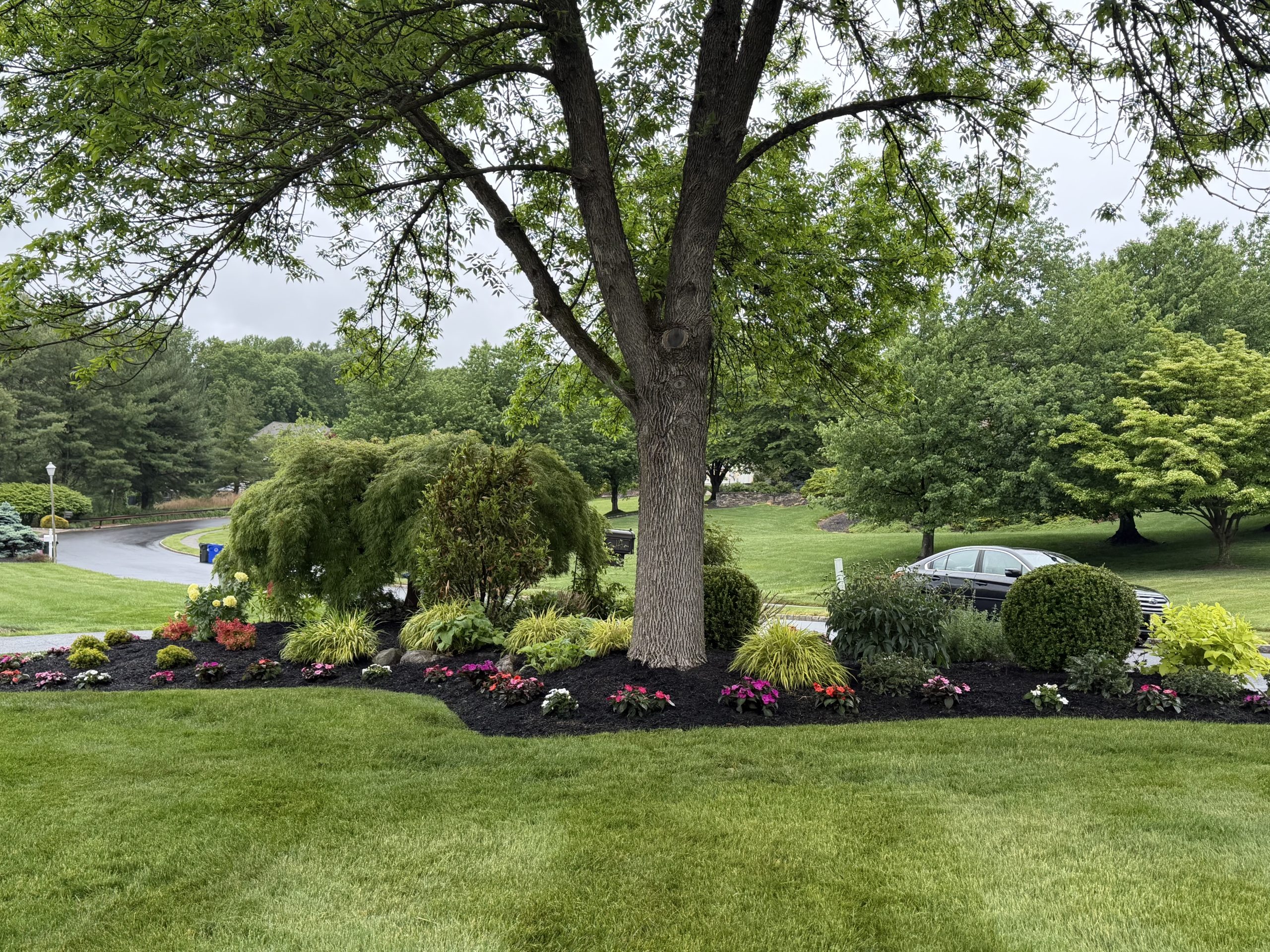

Well-kept grounds rarely happen by accident. They are the product of steady observation, timely work, and a clear understanding of how plants, soil, weather, and use patterns affect one another. Good Landscape Maintenance is not just about keeping grass short and shrubs neat. It is about protecting long-term plant health, preserving the function of outdoor spaces, and presenting a property in a way that feels cared for rather than merely managed.
Anyone who has overseen a landscape through several growing seasons learns this quickly. A site can look acceptable for a month or two while deeper problems build underneath. Compacted soil, weak root systems, irrigation overspray, poorly timed pruning, and deferred bed care often stay hidden until a heat spell, a disease outbreak, or a heavy rain exposes them. At that point, the cost of correction is far higher than the cost of routine care would have been.
The most durable and attractive landscapes share a few traits. Their maintenance is consistent. Their plantings fit the site. Their irrigation is adjusted rather than left on a fixed schedule. Their turf is treated as one part of the landscape, not the whole story. Above all, the people responsible for them pay attention. Grounds tell you what they need, but only if someone is close enough to notice.
What Landscape Maintenance really includes
Many property owners hear the term and think only of mowing, leaf removal, and seasonal cleanup. Those are visible tasks, and they matter, but they are the surface layer. True Landscape Maintenance covers the health and performance of the entire site.
That means monitoring turf vigor, managing weeds before they seed out, pruning with purpose, maintaining mulch depth, checking drainage patterns, adjusting irrigation heads, improving soil conditions, and replacing failed plant material with better selections. It also means understanding how people use the property. A lawn near a main entrance experiences different stress than a lawn at the back of a site. Foundation shrubs beneath roof drip lines behave differently than those in open exposure. Trees near pavement and loading areas often struggle for reasons that have little to do with rainfall and a great deal to do with heat reflection and root restriction.
The best maintenance programs are not static. They shift with the season, the age of the landscape, and the condition of the site. A newly installed property needs establishment care, with close watering management, corrective staking review, and early shaping. A mature property often needs selective renovation, soil improvement, and strategic replanting to stay vigorous. Treating both sites the same usually leads to disappointment.
Durability begins below the surface
People naturally focus on what they can see. Color, fullness, clean edges, crisp lines. Yet the durability of a landscape starts in the soil. If roots cannot expand, breathe, and access moisture evenly, the top growth will always be vulnerable.
Compacted soil is one of the most common issues on commercial and residential properties alike. It shows up where contractors staged materials, where foot traffic cuts corners, where equipment repeatedly turns, and where turf surrounds hardscape. The symptoms can be misleading. Plants may look pale, stunted, or drought-stressed even when irrigation is running regularly. Water may puddle on the surface, then disappear, giving the impression that the site is being soaked, when in reality the root zone is shallow and poorly aerated.
Improving soil is rarely glamorous work, but it is often the highest-value maintenance investment available. In turf areas, aeration can open the soil and improve water penetration. In planting beds, organic matter and careful cultivation can help rebalance dense or depleted soil. Mulch plays a role as well, though only when it is used correctly. Two to three inches is usually enough for moisture retention and weed suppression. Piling it against trunks or over root flares does more harm than good.
I have seen properties spend heavily on seasonal color and replacement shrubs while ignoring basic soil care. The result is predictable. The landscape may photograph well in spring, then decline steadily through summer. The opposite approach, improving root conditions first and cosmetic details second, usually delivers stronger results and lower replacement costs.
Healthy grounds depend on water management, not just watering
Watering seems straightforward until you look closely. Too little water weakens plants, but too much water can be just as damaging, especially when drainage is poor or irrigation timing is out of sync with weather.
Overwatered turf often develops shallow roots, greater disease pressure, and a dependence on frequent irrigation. Shrubs in chronically wet zones may yellow, drop leaves, or decline from root stress even while the surrounding bed appears lush. On the other hand, under-irrigated trees can take months to show obvious distress, by which time canopy thinning and dieback may already be underway.
Effective Landscape Maintenance treats irrigation as an adjustable system. Schedules should respond to rainfall, heat, wind, soil type, and plant maturity. A sunny slope with sandy soil can dry rapidly, while a shaded bed near a building may hold moisture for days. Grouping irrigation zones by plant need is ideal, but many existing properties were not designed that way, so maintenance crews have to compensate through observation and calibration.
A simple irrigation audit often reveals avoidable waste. Heads spray pavement instead of root zones. Rotors are blocked by overgrown shrubs. Broken nozzles flood one section while another stays dry. Run times are based on habit instead of actual need. Fixing those issues can improve plant performance and reduce water use at the same time.
Timing matters too. Deep, infrequent watering is generally better than daily shallow cycles for established plantings, though newly installed material is a different case and needs closer attention. During prolonged heat, even well-managed systems may need temporary adjustments. The key is to change the program intentionally, then scale it back when conditions moderate.
Turf care needs restraint as much as effort
Turf often dominates a site visually, so its condition shapes the first impression people have of a property. Yet it is also one of the easiest landscape elements to overmanage. Mowing too short, fertilizing too aggressively, and irrigating too often can create a surface that looks green for a while but lacks resilience.
Healthy turf should be cut at a height appropriate for the grass type and season. Scalping weakens the plant, exposes soil, and encourages weed pressure. Sharp mower blades matter more than many people realize. Dull blades tear leaf tissue, leaving a whitish cast and increasing stress in hot weather.
Fertilization should support steady growth, not force lush growth that demands more mowing and invites disease. On many properties, moderate feeding tied to actual turf condition works better than a heavy-handed schedule. Weed control also requires judgment. Spot treatment is often enough when the turf is dense and healthy. Blanket applications may still have a place in some programs, but they should not substitute for correcting the conditions that allowed weeds to gain a foothold.
The strongest lawns are usually the ones managed with balance. They are not always the darkest green every week of the year, but they recover well, resist wear better, and require fewer interventions over time.
Pruning is maintenance, not decoration
Pruning is one of the clearest dividing lines between informed landscape care and routine cutting. Done well, it improves structure, flowering, clearance, and plant health. Done poorly, it locks a site into repeated stress and weak regrowth.
The most common mistake is pruning on a schedule without regard to species or purpose. Shrubs sheared into tight shapes every few weeks may satisfy a desire for uniformity, but the practice often creates a thin shell of foliage around a woody interior. Over time, the plant becomes dense on the outside, bare inside, and increasingly dependent on constant clipping. A more selective approach, thinning and heading with intent, usually preserves a fuller, healthier form.
Trees require even more care. Raising canopies too aggressively can destabilize young trees or leave them sparse and unnatural. Ignoring co-dominant leaders or crossing branches in early years can create expensive structural problems later. One of the better habits in Landscape Maintenance is to walk the property after storms and after flushes of seasonal growth, looking for broken limbs, rubbing branches, sightline conflicts, and branches beginning to interfere with signage, lighting, or roofs.
There is also a timing issue that gets overlooked. Flowering shrubs can be pruned at the wrong moment and lose a full season of bloom. Deciduous trees may bleed sap harmlessly if pruned in certain windows, but that appearance can alarm clients who were not warned. Maintenance is not only the work itself, it is the judgment behind the timing and the communication around it.
Beds, edges, and details carry the visual load
A landscape can have healthy plants and still look neglected if the details are loose. Bed lines, mulch consistency, weed pressure, and the condition of seasonal rotations all affect visual quality immediately. These are often the elements people notice first because they sit at eye level and along walkways.
Clean edges create definition between turf and planting beds. They make even modest landscapes appear more intentional. Weeds, by contrast, signal neglect quickly, especially when they emerge through thin mulch or crowd low shrubs near entrances. The best time to control weeds is before they spread, before seed heads form, and before they mature into a labor-intensive problem.
Mulch deserves a little more respect than it usually gets. Properly applied, it moderates soil temperature, conserves moisture, and reduces weed germination. Applied too deeply, it can trap excess moisture around crowns, invite decay, and discourage oxygen movement into the soil. There is also an aesthetic balance to strike. Fresh mulch can sharpen the appearance of a property, but frequent re-mulching without addressing old buildup can create elevated beds and buried root flares.
Seasonal color can be valuable, particularly at entrances, gathering spaces, hospitality sites, and retail locations. But it should support the landscape, not distract from weaknesses elsewhere. A property with poor pruning, irrigation leaks, and declining foundation plantings will not be saved by a few bright annuals.
Maintenance changes with the calendar
The tasks shift over the year, but what matters most is not the date on the calendar. It is the combination of plant stage, local climate, and current site condition. Still, a seasonal framework helps keep work proactive instead of reactive.
- Spring is the time to assess winter damage, refresh beds, check irrigation startup, prune selectively, and address pre-emergent weed control where appropriate.
- Summer demands close monitoring of water stress, mower practices, disease pressure, and the performance of new plantings.
- Fall is ideal for soil work, many types of planting, turf recovery, leaf management, and preparing irrigation systems for colder weather where needed.
- Winter is when structural pruning, planning, hardscape review, and deferred repairs can move forward with less disruption to active growth.
This rhythm matters because missed windows compound. If turf enters summer weak, heat magnifies the problem. If irrigation is not tuned in spring, waste and stress continue for months. If shrubs are not managed thoughtfully through the growing season, winter pruning becomes more corrective and more expensive.
The hidden cost of deferred maintenance
Deferred maintenance has a way of looking economical in the short term. A property owner skips a round of bed care, delays an irrigation repair, or puts off selective pruning until next quarter. For a while, the site still looks passable. Then multiple small failures start stacking up.
A leaking valve can saturate one bed and under-serve another. Weeds that were easy to hand-remove become established and spread. Turf thins in compacted areas, opening space for invasive grasses or broadleaf weeds. Lower branches creep into sightlines or touch buildings. Drainage issues cause washouts after heavy rain, and mulch migrates onto walks and curbs. None of these problems is unusual by itself. The trouble comes when they are allowed to interact.
One commercial site I visited had spent two years reducing routine maintenance to the bare minimum. The grounds still had decent bones, mature trees, established beds, and a solid irrigation system. But the small lapses had accumulated. Several zones were misaligned, one entrance bed had become root-bound and dry, turf along curbs was scalped repeatedly, and shrubs were being sheared into dense blocks that hid dead wood inside. Restoring the property ended up costing far more than consistent care would have. Not because anything dramatic had happened, but because neglect had quietly become systemic.
That is often how landscapes fail. Not all at once, and not from one catastrophic decision. They fail from the absence of regular, informed adjustment.
When replacement is smarter than rescue
Experienced maintenance professionals know that not every plant should be saved. Sentiment and sunk cost can keep struggling material in place long after it has stopped making sense. There is a point where repeated pruning, special watering, pest treatment, or cosmetic patching costs more than replacing the plant with something better suited to the site.
This comes up often with foundation shrubs planted too densely years earlier, trees placed too close to pavement or structures, and species that were marginal for the climate to begin with. It also comes up after construction damage. A tree may leaf out weakly for two or three years after root disturbance, giving hope that it will recover, when the more realistic path is removal and replacement before nearby plantings are affected by shade changes or limb drop.
Good Landscape Maintenance includes the willingness to edit. A durable landscape is not one that preserves every original planting indefinitely. It is one that evolves sensibly, keeping what performs and replacing what does not.
What to watch for before a site declines
Early warning signs are usually visible if someone is looking closely enough. Catching them early changes the cost and difficulty of the fix.
- Water pooling more than a day after irrigation or rain often points to compaction, drainage issues, or overwatering.
- Shrubs with green outer shells and bare interiors usually indicate repeated shearing and poor light penetration.
- Thin turf along paths and corners often reflects compaction and traffic, not simply lack of seed or fertilizer.
- Trees with reduced leaf size, sparse canopies, or premature fall color may be signaling root stress.
- Mulch piled against trunks can lead to bark problems, surface rooting, and decline over time.
None of these signs guarantees a major problem on its own. They are prompts to investigate. The earlier that happens, the more options a maintenance team has.
Matching maintenance standards to the property
Every site has a different threshold for acceptable wear, visual polish, and seasonal variation. A corporate headquarters, a healthcare campus, a multifamily property, and a private residence should not necessarily be maintained to the same visual standard or with the same labor pattern. Expectations need https://rylankyzz488.opalvector.com/posts/landscape-maintenance-tips-for-stronger-seasonal-color to fit the use, budget, and public visibility of the space.
That does not mean lower-profile properties can ignore fundamentals. It means the maintenance strategy should focus first on plant health, safety, and functional performance, then on aesthetic refinement according to the property’s goals. For one site, that may mean meticulous bed edging and rotating color near the entrance. For another, it may mean investing in tree care, drainage correction, and durable groundcovers that reduce long-term labor.
Clarity matters here. Problems arise when a property expects a premium appearance on a minimal maintenance budget, or when crews are told to make the site look tidy but are not given the time to address root causes. A sharp-looking landscape is easier to maintain when the underlying horticulture is sound. Without that foundation, crews end up trimming symptoms instead of improving conditions.
Durable grounds are built through repetition and judgment
The best-maintained landscapes often seem effortless from the outside. Lawn lines stay clean. Trees hold balanced canopies. Beds remain full without feeling overgrown. Walkways are clear, irrigation works quietly in the background, and seasonal changes feel orderly rather than abrupt. That appearance comes from repetition, but not mindless repetition. It comes from doing the right work at the right time, then adjusting as the site responds.
There is a practical discipline to it. Walk the property after weather shifts. Notice where runoff forms. Check whether one bed dries faster than it did last month. Watch how a shrub responds after pruning. Look for mower stress near curbs and islands. Revisit areas that have failed before. Maintenance is not only labor. It is pattern recognition.
When that discipline is in place, grounds become more than attractive. They become resilient. Plants root more deeply, turf tolerates stress better, trees develop cleaner structure, and the property avoids the stop-and-start cycle of decline and expensive repair. That is the real value of Landscape Maintenance. It protects the investment already in the ground while steadily improving the way the landscape performs, season after season.
Majestic Mowing & Landscaping LLC
Phone number: +19733975532
FAQ About Landscape Maintenance
What is landscape maintenance?
Landscape maintenance is the ongoing care, cleaning, and upkeep of outdoor green spaces to keep them healthy, safe, and attractive.
Is $100 an hour too much for landscape work?
An hourly rate of $100 is not too much for specialized or professional landscape work, though it sits at the higher end of the standard pricing spectrum.
How much do landscapers charge for maintenance?
For professional landscaping maintenance, homeowners typically pay $100 to $410 per month for recurring services, or an hourly labor rate of $50 to $100 per hour per crew member.